Eating local is more than just putting food on your plate; it’s about your health, the local economy, the regional food system, our community, and the environment.
Every dollar you spend with nearby farmers helps sustain these family farms and builds stronger connections between growers and eaters. Local food also creates resilience, meaning our community has reliable food sources close to home.
Local food is also better for you and the planet because it travels fewer miles and consumes less fuel and other resources. Food from down the road means it’s fresher, higher-quality, and picked at peak ripeness which means tastier, better texture, and more nutritious.
With all these benefits, we know local food matters.
But many people assume it’s out of reach financially.
Fear not! Here are ways to make local food work for you and your budget, so you can eat well, support local farmers, and strengthen our community.

How to Eat Locally and Stay on Budget
Buy Seasonal Produce in Bulk
Seasonal produce is typically less expensive than out of season produce that gets shipped in. Most produce at farmers markets and farm stands will be in season. If there’s a veggie you eat a lot of, ask the farmer if you can buy it in bulk. They may offer a discount as it makes their job easier and saves on packaging costs.
Bulk meat, like buying a whole, half, or quarter animal, is also cheaper than buying each cut individually. Check with your local farm for beef, pork, and even lamb options.
When buying in bulk, you get a better price per pound. What you can’t eat right away, you can preserve by canning, freezing, or drying for later use.

Learn to Preserve
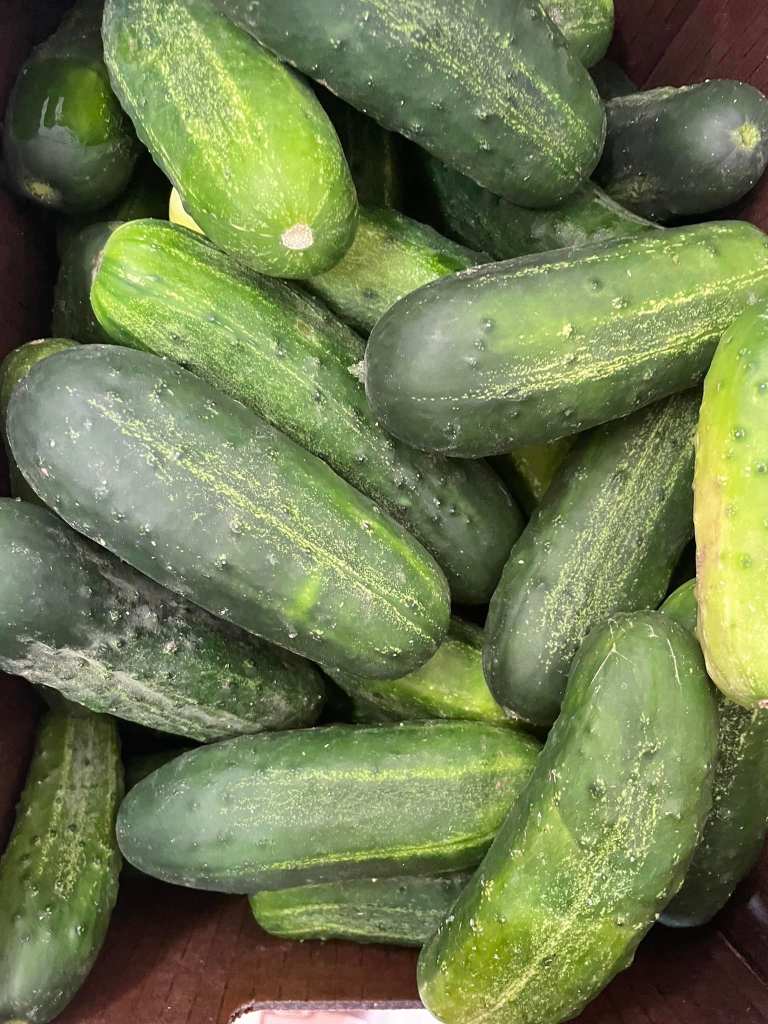
There are many ways to preserve food: freeze, can, pickle, dehydrate, cure, ferment.
These are techniques humans have used for centuries to make foods last beyond the growing season.
Nowadays, this can save you from having to buy cans of diced tomatoes, jars of applesauce, or packs of frozen broccoli from the grocery store. And opening a jar of -sun-ripened tomatoes brings warmth and delight to the coldest February day.
Choose one or many preservation methods to explore and check out a book from the local library. Librarians also seem to have plenty preservation experience themselves, so feel free to ask them for advice or tips.
If you feel like you don’t have the time, start with freezing stuff; it’s often the quickest method. Make an afternoon of it with a good bud or your kids for some quality loved-ones time. The well stocked-freezer is a bonus.
Use the odd bits
Back in the days of our grand- and great-grandparents, food was not as easy to come by, so there was very little waste in the kitchen. Today, we’re more comfortable with throwing away scraps that could have a use.
Did you know you can eat the greens of beets, kohlrabi, radishes, and carrots? The inner stalks and the leaves of broccoli and cauliflower are also edible and nutritious. You can even cook or pickle the rinds of a watermelon!
Save vegetable scraps to make a delicious broth. Keep a bag of carrot tops, onion skins, celery ends, bell pepper trimmings, leek tops etc. in your freezer, adding to it each time you chop vegetables. Once you have a full bag, boil those bits in water, add spices and make a homemade broth at no extra cost.
Bones are also nutritious broth bases. Once you’ve enjoyed your roasted chicken, beef short ribs, save those bones. Back, neck, and tailbone plus pieces of skin and fat are all great additions. Combine these pieces with the veg scraps for extra flavor.
Save the drippings (i.e. the animal fat remaining after roasting or frying meat) to make gravy. Refrigerate or freeze it for later use.
Some fats and oils can be filtered and used later for greasing cookware and sautéing. This saves money on buying cooking oils.


Use Buying Assistance Programs
If you’re eligible for SNAP, WIC, or other buying assistance programs, see if you can use these at local farmers markets.
Some farms offer opportunities to work on the farm in exchange for vegetables or a discount on a CSA subscription. This could include helping with weeding, harvesting, or washing produce.
Conclusion
Eating local means enjoying nutritious food in a sustainable way that also supports our area’s small-scale farms and strengthens our community and economy. It’s a way of working together to create a healthier, more vibrant place for all of us to live.
This high-quality food and land stewardship costs more up front, but is cheaper in the long run by preventing disease, and loss of water quality, soil health, and rural community. Know that your dollars purchase more than just food when you buy local.
You can stay in your budget by buying in bulk, preserving abundance, and making use of every piece of food. There may also be buying assistance programs that you can use.
Thank you for making an effort to eat locally!
 Foxhead Regenerative Agriculture Project