Imagine a Wisconsin where our landscapes are vibrant, small farms are the heartbeat of our communities, and people are deeply connected to the food they eat and the neighbors who grow it.
The result? A healthy, connected community, where we live safe from outside shocks to a fragile, global food system and the resulting price scares at the grocery store.

Here at FoxRAP, we strive to build that community and connect all our neighbors to delicious, nutritious food that boosts not just physical health, but mental health and community health, too.
It’s not just about access to food – it includes sharing the tools folks need to take authority over their own food production, including land, seeds, and growing methods.
This resilient, interconnected food network we’re building is a vital piece of community known as food security.
What is food security?
A community is food secure when it has consistent access to the food needed for healthy, active living, according to Wisconsin Food Security Project.
A food secure table has four legs:
- economic security – folks don’t need to choose between buying food and paying rent
- robust federal food and nutrition programs – federal funds help to stabilize food access in rough economic times
- a strong emergency food network – food pantries and hot meal services fill gaps in family food supplies
- a vibrant, affordable, and accessible food system – affordable access to healthy food, including local products
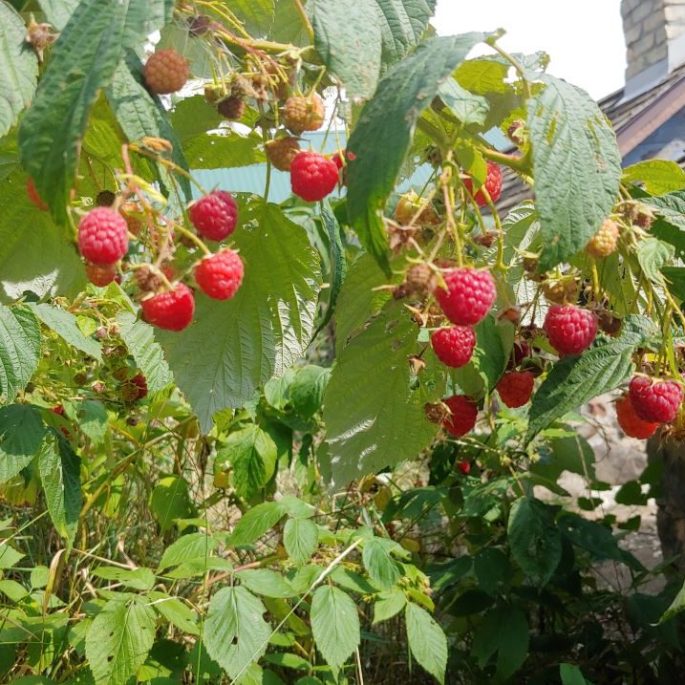
When food is grown and accessible locally, we don’t need to depend on food coming from far away countries. Food from our own land means any disruption – from pandemic to war to natural disasters – cannot leave us scrambling to fill stomachs and grocery store shelves.
Why should I care about food security?
Even for those of us who have enough good food to eat, if our neighbors are hungry and sick from poor-quality food, our community cannot thrive as a whole.
- Increased hunger is linked to more intake of ultra-processed foods, which increases the risk of heart disease, stroke, and other chronic illnesses
- Increased hunger and poor nutrition can affect our sleep, impact our focus at school or work, and increase anxiety, depression and substance abuse
- These and other conditions associated with food insecurity increase the risk of more than a dozen different types of cancer
What’s more, children suffer more often from food insecurity and experience more negative impacts. For kids, a lack of healthy food means worse physical and mental health, and lower success at all levels of education – affecting their prosperity long into the future. Their risk of chronic illnesses like asthma and anemia go up, as do behavioral problems like hyperactivity, anxiety and aggression.
These all have a ripple effect through our community health and economy.
How can i build food security?
Programs like food banks and pantries play an important role in food security. They centralize, store, and distribute food donations from many sources. This not only feeds people but uses food that might otherwise go to waste.
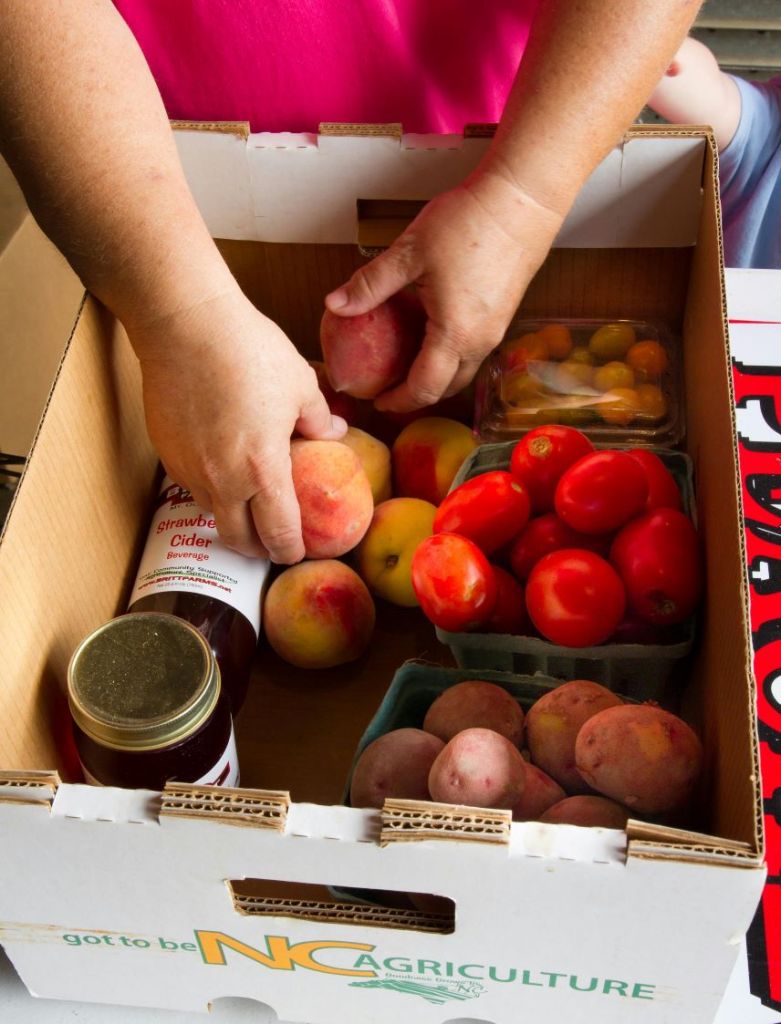
You can support these community cornerstones, by volunteering, donating money or food, or by buying and donating food from local farms.
Spending your food dollars at local farms is another important way to keep food in the community. Your support means our small farms can continue growing and your money stays in the local economy to support other small food and farm businesses.
Taking it up a level, communities can also provide space and education for folks to take food production into their own hands.
As the old saying goes: Give a man a fish and you feed him for a day; teach a man to fish and you feed him for a lifetime.
So while food donations have a solid place in food security, by teaching folks to grow food for the year, rather than simply giving them a week’s worth, pantries will stay full much longer.
Community gardens with educational programs are a great example. Any plot of land big or small, urban or rural, can be prepared and used to grow food. Even if the soil is poor, or absent entirely, quality raised beds filled with nutrient-rich soil opens food-growing possibilities.
Working side by side, growers learn from each other and improve their land stewardship and vegetable-rearing skills. Topped with hands-on learning opportunities taught by master gardeners or local farmers, community members gain self-sufficiency and feel great satisfaction by providing for their family.

Community Benefits of growing food
Beyond nutrition, building community around food also benefits us via much-needed social interaction and reducing the loneliness and isolation that many of us battle with. This offers a chance to build relationships in the community and strengthen bonds among family members.
Growing food also gets us outside and active, creates community greenspace, and presents countless educational opportunities for folks of all ages.
For veterans, domestic abuse survivors, or formerly incarcerated people, growing food is also a proven therapeutic method for recovering from trauma, regaining life skills, finding employment, and rediscovering a sense of purpose.
Conclusion
By bringing food back to the center of our communties, we rebuild personal health, health of our land, and our community as a whole. We regain control over what we eat, and our connection to the land. We are less vulnerable to far away food-system disruptions and more interdependent with our neighbors. Humans are wired for these social connections – they are essential for our mental health and community well-being.
Food is a basic need that we can provide for ourselves. Let’s not wait for someone to fix food insecurity for us. Let’s seize the opportunity to build a better, healthier community together.
Join us as we strengthen our community with local food for all.
food security resources in your area
DIY Food Resources
Seeds – Check your local library for a seed swap program. Many Winnefox libraries offer seed programs.
Plant sales – Watch the newspaper or local farms for seedling sales. Pick out your favorite veggies, save some some time on seed starting, and many of these sales support a good cause to boot.
Growing in small spaces – If lack of land is keeping you from growing your own food, many fruits and vegetables do well in small spaces or can be grown in containers.
Season extension – A short growing season shouldn’t stop you from growing food either. Harvest earlier in spring and later in fall with these easy, affordable methods.
We’re always just an email or phone call away if you have any questions!
 Foxhead Regenerative Agriculture Project